
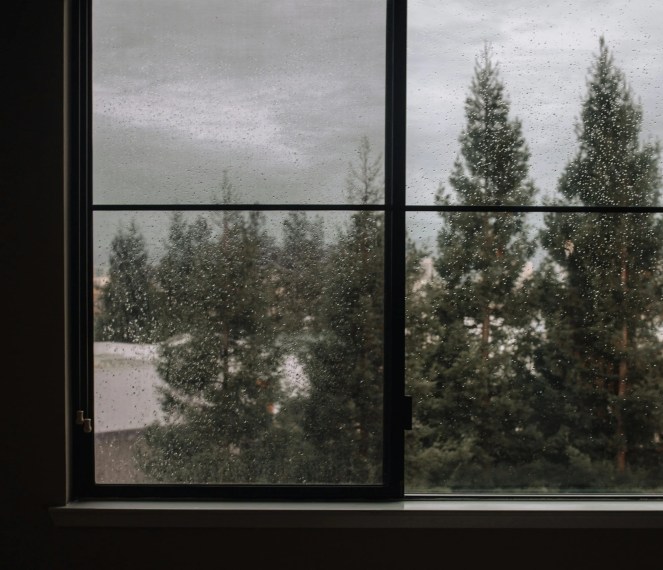
Glass is a durable yet delicate material that plays a crucial role in the safety, comfort, and aesthetics of our homes and businesses. Over time, exposure to different weather conditions can significantly affect its integrity, leading to cracks, fogging, or even complete breakage. Understanding how environmental factors influence glass performance helps you determine when to repair, replace, or properly maintain it. If you’re considering glass repairs Ballina, or simply want to extend the life of your glass surfaces, here’s what you need to know about how weather impacts glass over time.
The Science Behind Weather and Glass
Glass might seem solid and unyielding, but it naturally expands and contracts as temperatures change. On hot days, the glass surface expands, while on cool nights it contracts. Over years of repetition, these subtle movements create thermal stress; tiny internal strains that can lead to small cracks or weaken the overall structure. This effect is most noticeable in large panes, windows facing direct sunlight, and older installations that lack modern heat-resistant treatments.
When rain and humidity are factored in, another problem arises: moisture infiltration. Seals and frames around windows can degrade due to constant expansion and contraction, and exposure to UV light. Once compromised, they allow moisture to seep between double-glazed panels or into the frame, resulting in condensation or fogging. This not only affects visibility but also reduces the window’s insulating properties, increasing energy costs.
Temperature Extremes and Thermal Stress
One of the most common causes of glass damage is thermal stress. Rapid temperature fluctuations, such as a cool breeze striking a sun-heated window, can cause uneven expansion across the pane. When one section expands faster than another, internal tension builds, sometimes leading to a sudden crack. This is why it’s not uncommon for glass to fracture seemingly “on its own” after a drastic weather change.
In colder conditions, frost or snow can have similar effects. The outer layer of the glass cools and contracts while the inside remains warmer, particularly in insulated buildings. Over time, these opposite forces can fatigue the material, making it more prone to cracking under minor impacts.
The Role of Moisture, Wind, and UV Exposure
Moisture is one of glass’s biggest enemies. Prolonged exposure to rain or high humidity can erode window seals and corrode metal fittings, especially in environments near large bodies of water or where rainfall is frequent. When the seals fail, condensation accumulates between panes of double-glazed glass, resulting in cloudy or misty windows that can’t be fixed without replacing the unit.
Strong winds are another factor to consider. Persistent pressure or vibration from wind can loosen fittings or cause micro-movements in glass panels, especially in large storefront windows or glass balustrades. Over time, this constant flexing weakens the bonds between the glass and its frame, creating rattling or minor edge fractures that spread with further stress.
Ultraviolet (UV) rays also have a long-term effect on glass installations. While glass naturally blocks a portion of UV radiation, continuous exposure can degrade sealants, adhesives, and tinting films. This deterioration can cause delamination of mirrors, peeling films, or faded coatings, reducing both the strength and appearance of the glass.
How to Prevent Weather-Related Glass Damage
Although weathering is inevitable, proactive maintenance can dramatically extend the lifespan of your glass. Start by regularly cleaning windows with fresh water and mild detergent to remove dirt and contaminants that can etch the surface. Avoid abrasive tools, which can create micro-scratches that grow into cracks over time.
Inspect seals, frames, and hardware at least twice a year for signs of corrosion or wear. Replacing perished silicone and tightening fittings helps prevent moisture ingress. For outdoor glass, consider applying UV-resistant or anti-corrosive coatings to add an extra layer of protection.
Modern laminated and toughened glass options are also more resistant to temperature changes and impact. If you live in an area with severe weather, upgrading to these materials can be a long-term investment that reduces the need for frequent repairs.
Knowing When to Call a Professional
If you notice fogging between panes, fine cracks, or chips spreading from the edges, professional attention is necessary. Attempting to repair these yourself often leads to further damage or safety risks. Certified glaziers can evaluate whether the issue stems from weathering, structural movement, or installation problems, and then recommend the safest solution.
Professional maintenance is particularly important after extreme weather events such as heatwaves, storms, or heavy winds. Inspections help identify hidden weaknesses before they turn into costly replacements. Whether it’s residential or commercial glass, timely care ensures long-term durability and peace of mind.
Final Thoughts
Weather plays a silent yet powerful role in determining how long your glass installations last. From UV exposure and humidity to fluctuating temperatures and wind pressure, each element contributes to gradual wear and tear. Regular cleaning, inspection, and upgrades to high-quality materials go a long way in preserving structural integrity and clarity.
For those looking into glass repairs ballina or anywhere with variable weather conditions, partnering with a qualified glazier is the best approach. With proper maintenance and expert advice, your glass will remain safe, strong, and crystal clear for years to come.

 Technology for Innovators